Why It’s Hard to Protect Your Time
The Quiet Link Between Self-Trust and Boundaries
By now, we’ve named two things:
Time isn’t the problem.
Overextension is.
And overextension doesn’t just happen loudly. It leaks through invisible obligations and borrowed priorities.
But even when you start noticing those leaks, something else often shows up.
You see where your time is going.
You feel what’s draining you.
And still, you don’t change it.
Not because you don’t know how.
But because something deeper is in the way.
Protecting Time Requires Self-Trust
Protecting your time sounds simple in theory.
Say no.
Set boundaries.
Stop overcommitting.
But boundaries require something we don’t talk about enough: self-trust.
You have to trust that:
Your limits are real
Your needs matter
You won’t collapse if someone is disappointed
You are allowed to choose differently
Without that trust, protecting time feels dangerous. So we default back to what’s familiar, even if it drains us.
When Self-Trust Has Been Worn Down
Self-trust erodes quietly.
It erodes when:
You override your own signals too often
You promise yourself rest and don’t follow through
You minimize what feels heavy
You wait for permission instead of granting it
Over time, you stop believing your own internal cues.
So when it’s time to protect your time, your body hesitates. Not because you’re weak, but because you don’t fully believe you’re allowed.
Guilt Is Not a Reliable Guide
Guilt often shows up when we try to change our relationship with time.
You feel it when you decline something.
When you log off.
When you don’t overextend.
But guilt doesn’t mean you’re wrong. It often means you’re doing something new.
Self-trust grows when you let yourself survive those moments. When you say no, and nothing catastrophic happens. When you rest, and the world keeps turning.
Each small follow-through rebuilds trust.
Rebuilding Trust in Small Ways
This week isn’t about dramatic boundary-setting. It’s about micro-repairs.
Keep one promise to yourself.
Honor one small limit.
Pause before one automatic yes.
Self-trust isn’t rebuilt through force. It’s rebuilt through consistency.
And the more you trust yourself, the easier it becomes to protect your time without fear.
A Gentle Reflection
Ask yourself:
Where have I stopped trusting my own limits?
What small promise to myself have I been postponing?
What would it feel like to believe I’m allowed to protect my time?
You don’t need to overhaul anything this week.
Just notice where trust has been strained.
And choose one place to repair it.
February isn’t about controlling time.
It’s about building a relationship with it that feels safe.
And safety starts within.
Until next time.
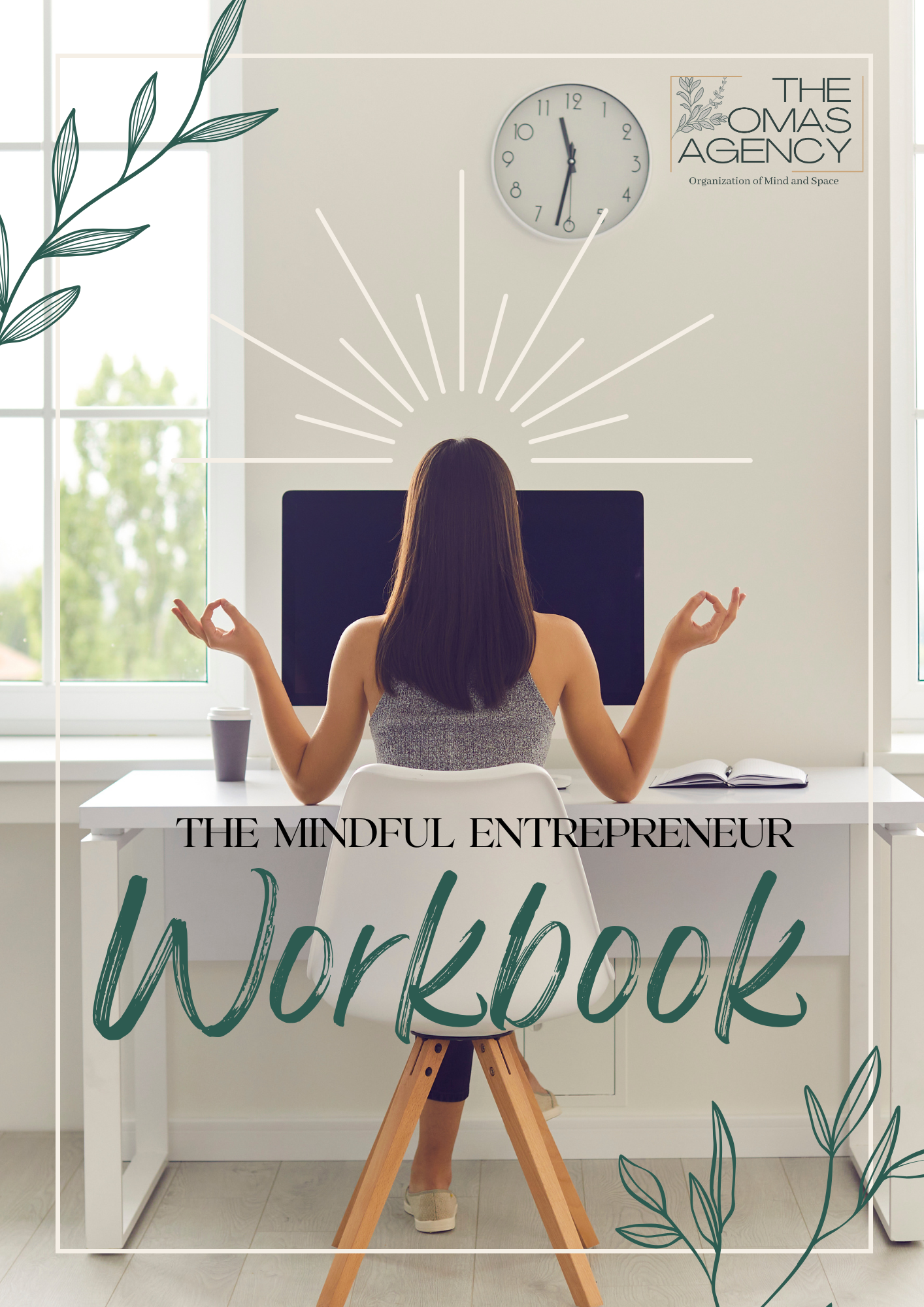
A Guided Framework to Lead Yourself with Clarity and Calm
This isn’t just a workbook. It’s a mindfulness-based operating system for entrepreneurs navigating the highs and lows of building something meaningful.
The Mindful Entrepreneur Workbook is a reflective, research-informed guide designed to help you manage stress, stay grounded, and lead yourself with more intention—so your business can grow from a solid, centered foundation.
✅ What You’ll Get:
A beautifully designed 30+ page workbook (fillable PDF)
Daily exercises for breathwork, body awareness, and presence
Research-backed practices for mental clarity and emotional resilience
Gratitude journaling pages and a 30-day meditation tracker
Goal-setting tools that reflect you, not hustle culture
🧠 Perfect For:
Entrepreneurs managing stress and mental fatigue
Coaches and creatives who want to lead from a place of alignment
Founders navigating big decisions or seasons of uncertainty
Anyone ready to center themselves while building something bigger
✨ Why It’s Different:
Unlike planners or checklists, this workbook invites you to slow down, reflect, and realign—so your next steps aren’t just productive, they’re purposeful.
You’ll walk away feeling more emotionally equipped, mentally clear, and energetically ready to lead.